



Christopher Scott Fields, MD

Photos

67 President St
Charleston, SC 29425
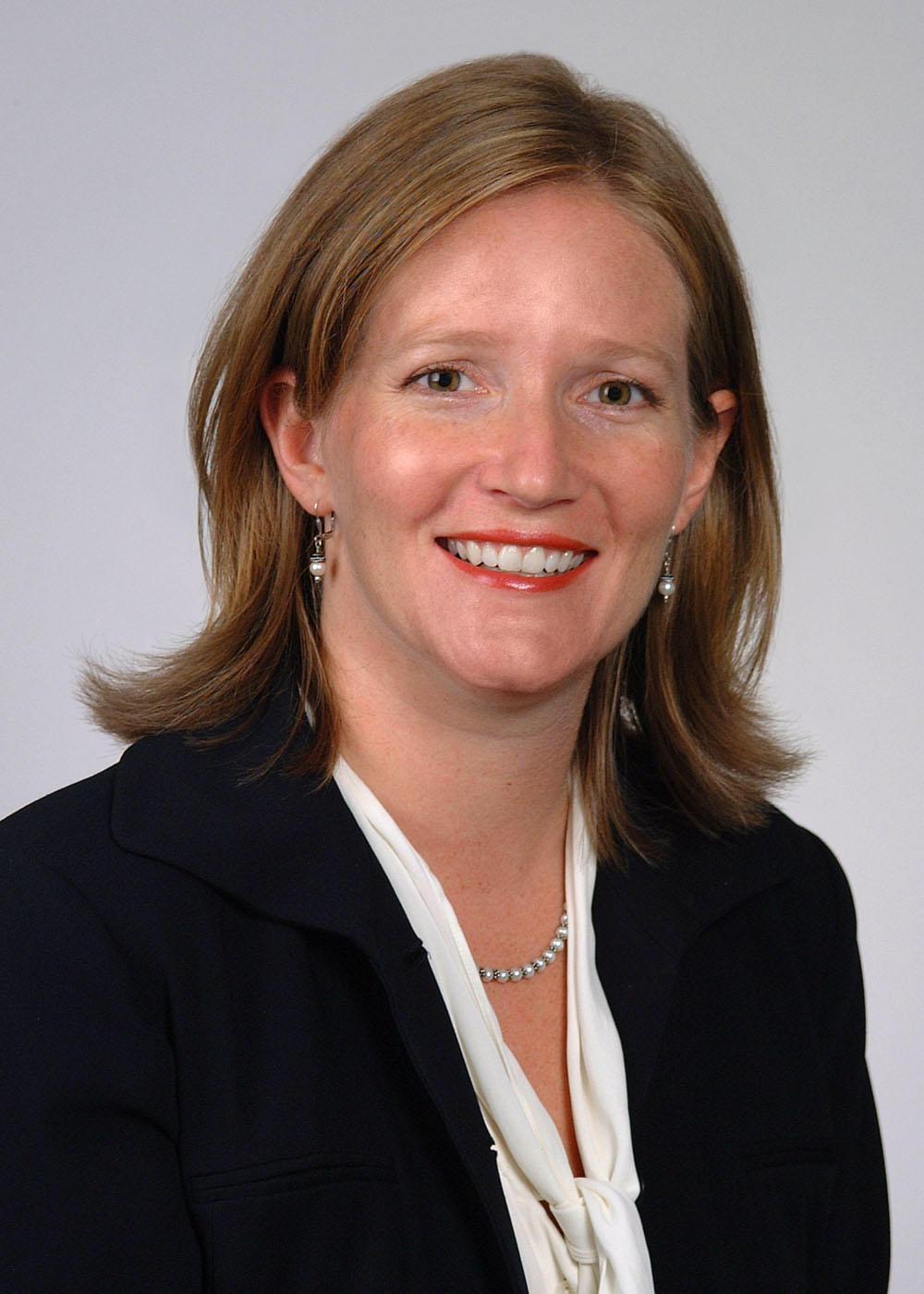
Dr. Pelic is a tenured professor of psychiatry at MUSC. He has been on faculty since 2004 providing clinical work on inpatient units, medical/surgical units, and outpatient telepsychiatry during that time. He has been heavily engaged in education and formerly worked in the MUSC College of Medicine Dean's Office in Student Affairs. Currently Dr. Pelic's clinical practice through MUSC is at Clemson University Student Health Clinic providing mental health care to the students via telehealth. In addition, Dr. Pelic is the lead physician for MUSC's Health, Wellness, and Human Performance Institute located in Mt. Pleasant.
Call us today to schedule an appointment!
Owner verified
See a problem?

You might also like

Lauren H Carter, PhD
Internal medicine practitioners

Lauren H Carter, PhD

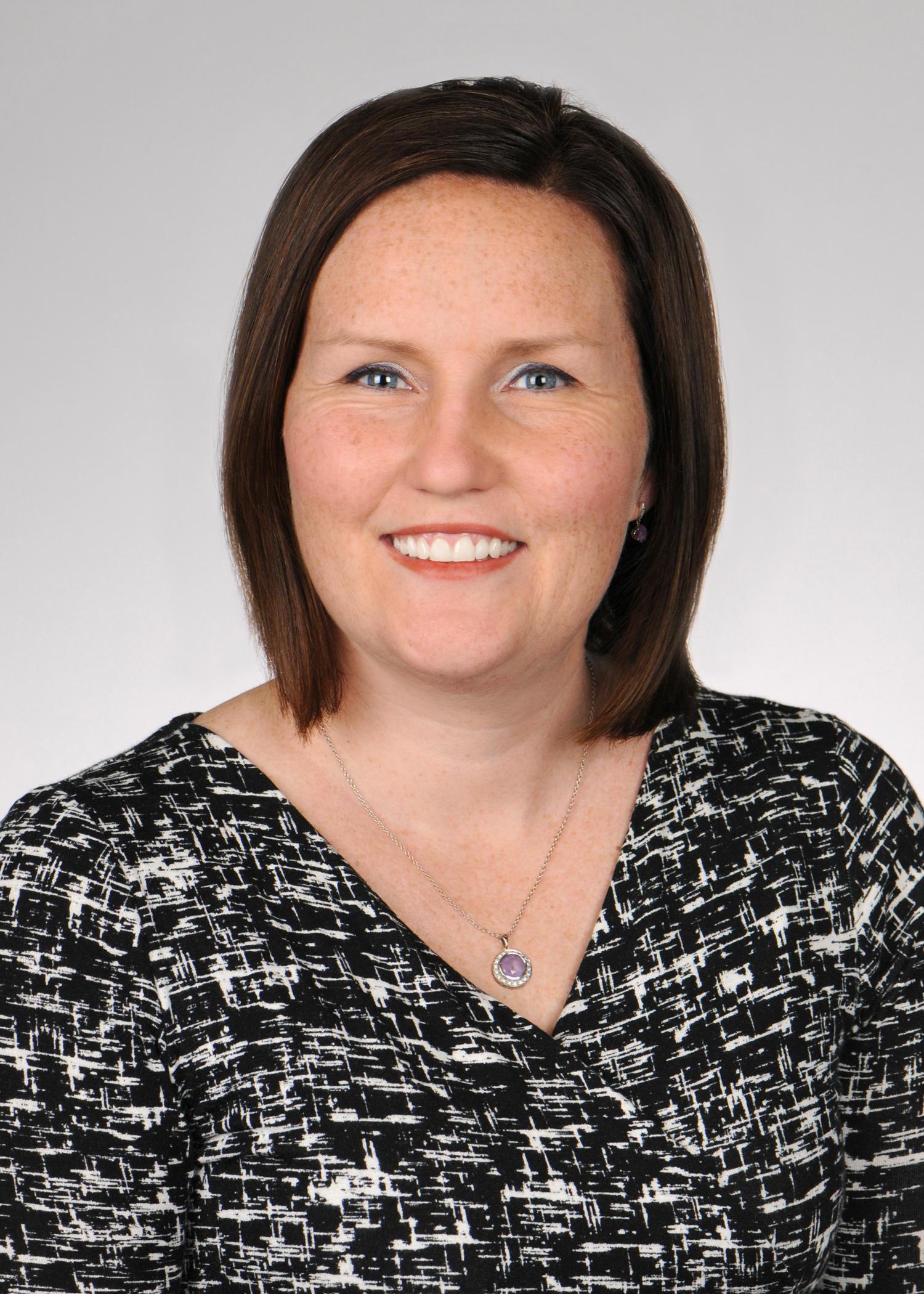
Dr. Lauren Carter is a licensed clinical psychologist. She received her Ph.D. in clinical psychology from Florida State University. Dr. Carter completed her predoctoral internship at the Charleston Consortium Clinical Psychology Internship Program (MUSC and Ralph Johnson VA) and her postdoctoral fellowship specializing in behavioral medicine at MUSC. Following her fellowship in behavioral medicine, Dr. Carter joined the faculty at MUSC in the Department of Psychiatry and Behavioral Sciences, Division of Bio-Behavioral Medicine. Dr. Carter's clinical practice specializes in assessment and intervention that is focused on optimizing quality of life in patients who are experiencing a variety of medical and psychiatric conditions. She currently sees patients in the Institute of Psychiatry and Women's Health at Resolute Way, primarily working with the following populations: bariatric (pre-/post- surgery), eating and weight disorders, solid organ transplant (pre-/post- transplant), chronic pain, women's health, and co-occurring substance use disorders within these populations. ,In addition to patient care, Dr. Carter is currently active in clinical research and training. She serves as a supervisor in the Behavioral Medicine Clinic and the Women's Reproductive Behavioral Health Clinic for the Charleston Consortium Clinical Psychology Internship Program. Her research interests focus broadly on eating and weight disorders, exercise, quality of life, and behavioral medicine.
Mark Stork George, MD
Internal medicine practitioners

Mark Stork George, MD

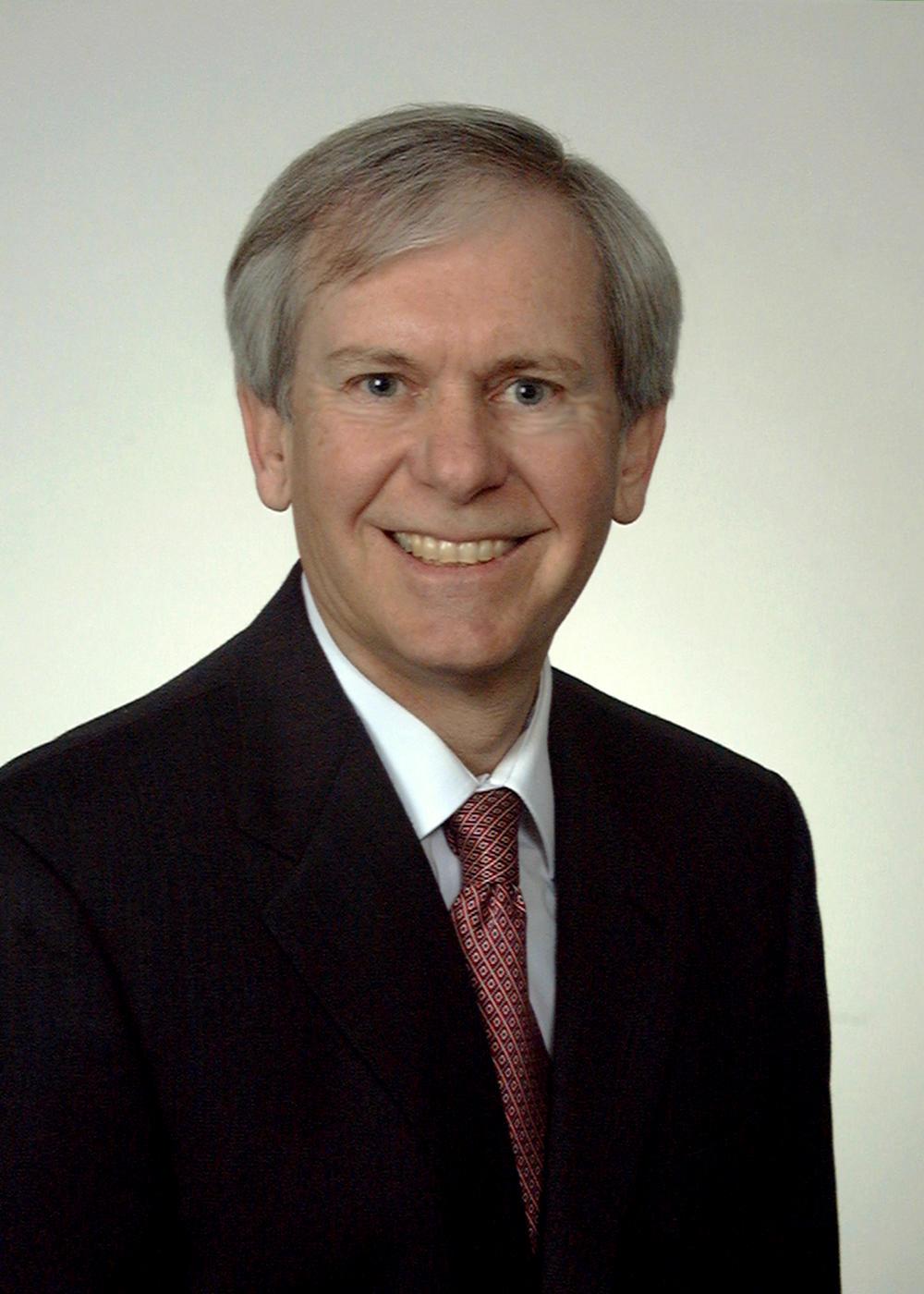
In 1995, Dr. Mark George, a South Carolina native, returned to Charleston and built a campus-wide research brain imaging division and the brain stimulation laboratory in the Department of Psychiatry. As an undergraduate student in philosophy at Davidson College, Dr. George began studying the relationship between mind and brain, or brain/behavior relationships. He has continued this interest throughout his career with a focus on using brain imaging and brain stimulation to understand depression and devise new treatments. He received his medical degree from MUSC in 1985, where he continued with dual residencies in both neurology and psychiatry. He is board certified in both areas.Following his residency training he worked for one year (from 1990 to 1991) at the Institute of Neurology, Queen Square, London, England. He then moved to Washington, DC, working in the Intramural National Institute of Mental Health (NIMH). He was one of the first to use functional brain imaging during normal emotions as well as in depression and mania. He has grown the science of brain stimulation, both in terms of how the treatments work in the brain, and in critically evaluating their therapeutic applications, especially in treating depression. He may be unique in being the only living neuroscientist with two FDA approved treatments that stem from their work. Transcranial magnetic stimulation (TMS) was FDA approved for treating depression in October, 2008. In June 1998 at MUSC, he also pioneered another new treatment for resistant depression, vagus nerve stimulation (VNS). This was FDA approved in 2006. Dr. George is a world expert in brain stimulation, and depression, and is the editor-in-chief of a journal he launched with Elsevier in 2008 called, Brain Stimulation: Basic, Translation and Clinical Research in Neuromodulation. He has been continuously funded by NIH and other funding agencies since his fellowships. He has received numerous national and international awards. In 2009 U.S. News and World Report named him one of 14 ‘medical pioneers who are not holding back’. He has published over 400 scientific articles or book chapters, and has written or edited six books.
Raymond Francis Anton, Jr, MD
Internal medicine practitioners

Raymond Francis Anton, Jr, MD

Raymond F. Anton, M.D. is an addiction psychiatrist and clinical neuroscientist. He is a distinguished university professor of psychiatry and behavioral science at the Medical University of South Carolina in Charleston, South Carolina, where he holds the Thurmond Wellness Endowed Chair. He the scientific director of an NIAAA-funded Alcohol Research Center, and the director of the Clinical Neurobiology Laboratory in the Department of Psychiatry.Dr. Anton is a past-president of the Research Society on Alcoholism (RSA) and is currently on the board of directors (secretary) of the International Society for Biomedical Research on Alcoholism (ISBRA). He is an elected fellow to the American College of Neuropsychopharmacology and a distinguished life fellow of the American Psychiatric Association. He is also currently serving as chair of the ACTIVE workgroup, a consortium of academics, government agencies, and the pharmaceutical industry whose task it is to define the best methods for clinical trials for alcohol use disorders. He also holds a prestigious Career Development Award (K05) from NIAAA to assist in mentoring junior researchers and developing genetic and brain imaging technologies.He is internationally known for his expertise in alcohol use disorder pharmacotherapy and the use of lab tests to identify various drinking patterns. He has published over 300 articles and book chapters and has active funding for incorporating neuroimaging and genetics into alcohol treatment trials. He also helped pioneer the clinical utility of the CDT blood test for the detection and monitoring of heavy alcohol use and has been a member of the International Federation of Clinical Chemistry workgroup on CDT measurement standardization. In June 2017, he was awarded the prestigious Henri Begleiter Award for Research Excellence by the Research Society on Alcoholism.
United StatesSouth CarolinaCharlestonChristopher Scott Fields, MD

Yext

Partial Data by Foursquare.